

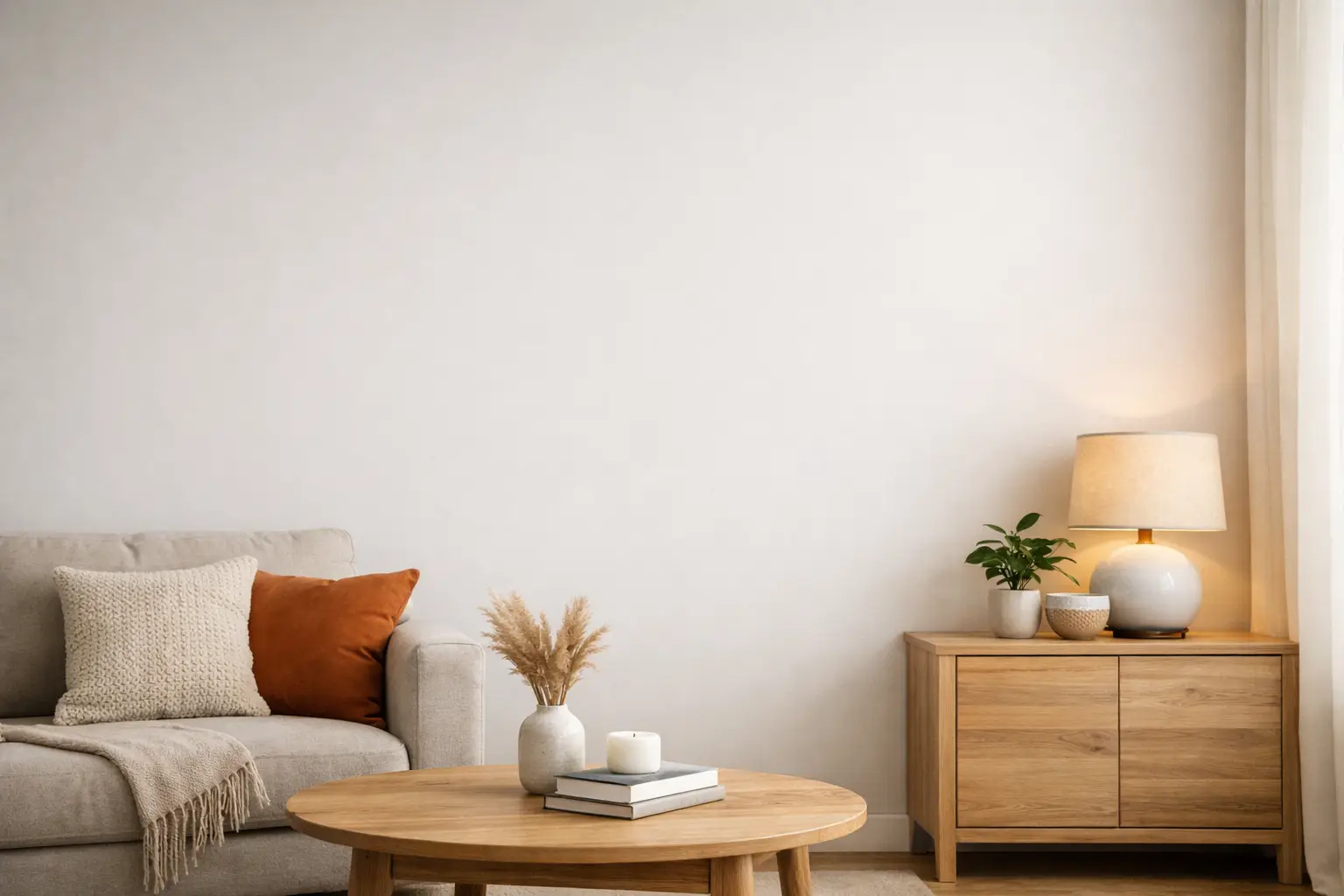
A blank office wall rarely stays neutral. It can make a reception area feel unfinished, a staff room feel forgettable, or a conference room feel disconnected from the work happening inside it. Learning how to decorate office walls starts with a better question: what should people feel, know, or remember when they spend time in this space?
The strongest office décor does more than fill empty square footage. It reinforces your brand, helps visitors find their way, gives employees a sense of belonging, and makes shared spaces feel cared for. The good news is that creating that effect does not require a paint crew, a major renovation, or permanent changes to the walls.
Start With the Purpose of Each Wall

Before choosing colors, quotes, or artwork, look at how each wall is used. A lobby wall has a different job than a break room wall. A hallway may need simple directional information, while a meeting room may be the right place for a mission statement or a visual reminder of your company values.
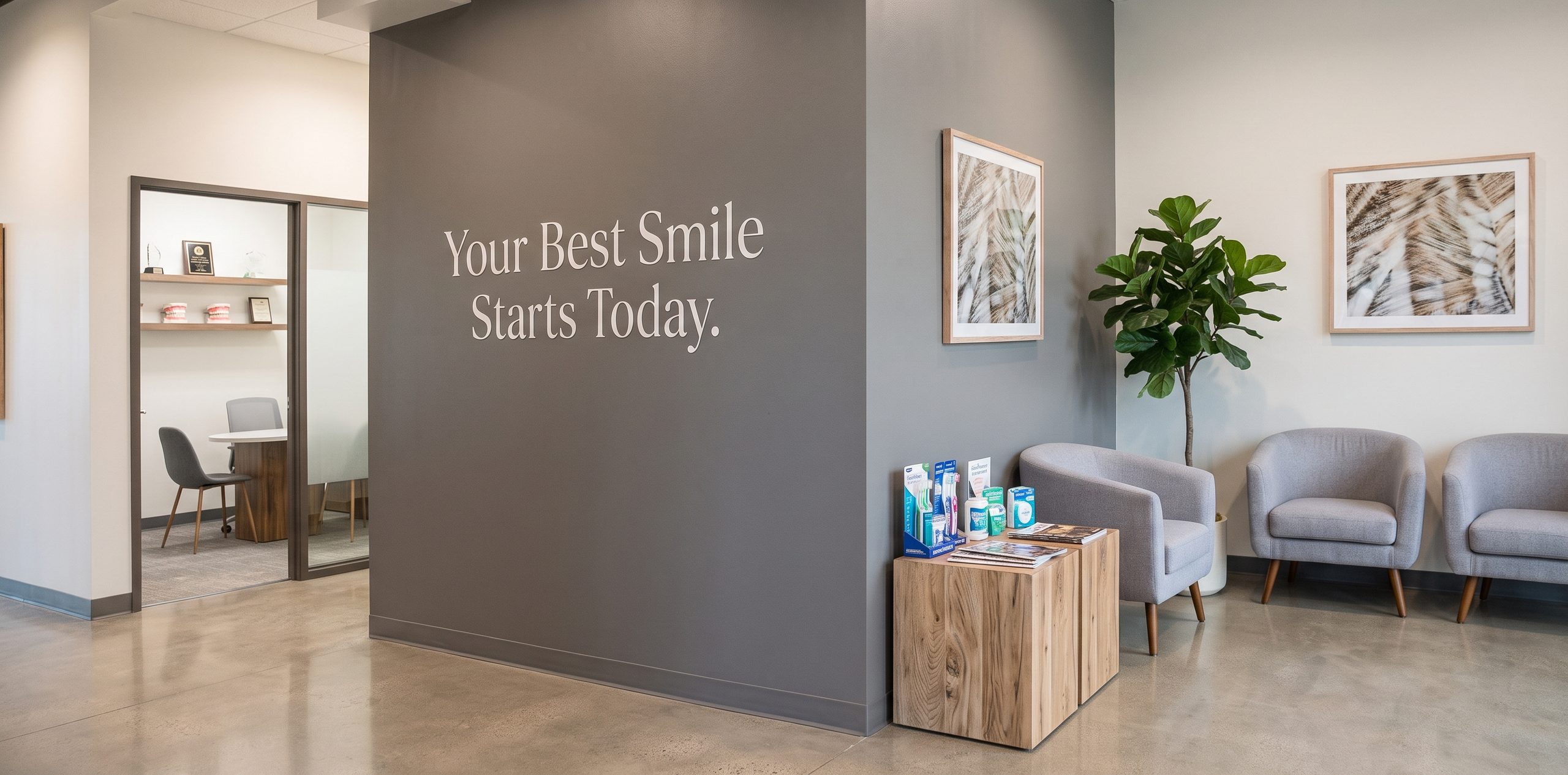
Reception areas should establish confidence quickly. A clean logo display, business name, short tagline, or core value statement can make the entrance feel intentional from the moment a client walks in. For a smaller business, this may be the single most visible opportunity to communicate professionalism.
Employee-facing areas have more room for personality. Break rooms, workrooms, and internal hallways can carry encouraging messages, team values, recognition statements, or lighthearted phrases that fit the culture. The goal is not to cover every wall with words. It is to place the right message where it will be seen and appreciated.
Conference rooms work best with décor that supports focus. Consider a concise mission statement, a branded accent wall, or a set of principles that guides decision-making. If clients regularly use the room, keep the design polished and restrained. If it is primarily for your team, you can be more direct about goals, encouragement, and culture.
Build a Clear Visual Plan Before You Install
Office wall décor looks more professional when it follows a simple visual system. Choose two or three core colors from your logo or existing interior palette, then repeat them in measured ways. A wall does not need to match every piece of furniture exactly, but it should feel connected to the room.
Scale matters just as much as color. A small decal on a large lobby wall can look accidental, while oversized text in a narrow hallway can feel crowded. Measure the available wall area and step back several feet before deciding on size. In open offices, consider sightlines from entrances, desks, and seating areas. What looks balanced from up close may disappear from across the room.
It also helps to give each wall one main role. For example, a logo can be the focal point in reception, a quote can anchor the break room, and simple wayfinding can guide people through a hallway. When a wall tries to display a logo, five values, two photos, and several decorative elements at once, the message gets lost.
Keep Branding Consistent, Not Repetitive
Using your brand does not mean placing a logo everywhere. Repetition can feel promotional rather than welcoming. Instead, carry your visual identity through a familiar font style, accent color, or tone of voice.
A dental office may use calm colors, reassuring phrases, and clear room labels. A creative agency may choose bolder type and playful, energetic messaging. A church office may include meaningful scripture lettering in staff or ministry spaces. The best choice depends on who uses the office and what your organization wants to communicate.
Choose Décor That Works for a Real Workplace

Framed art, painted murals, dimensional letters, and wall decals can all have a place in an office. The right option depends on your budget, timeline, wall surface, and how often you expect your message to change.
Paint can make a strong visual impact, but it requires preparation, dry time, and a plan for future updates. Framed art is flexible and can add warmth, although multiple frames may require more measuring, hardware, and ongoing straightening. Dimensional signage creates a premium look in high-visibility areas, but it is often more permanent and more expensive.
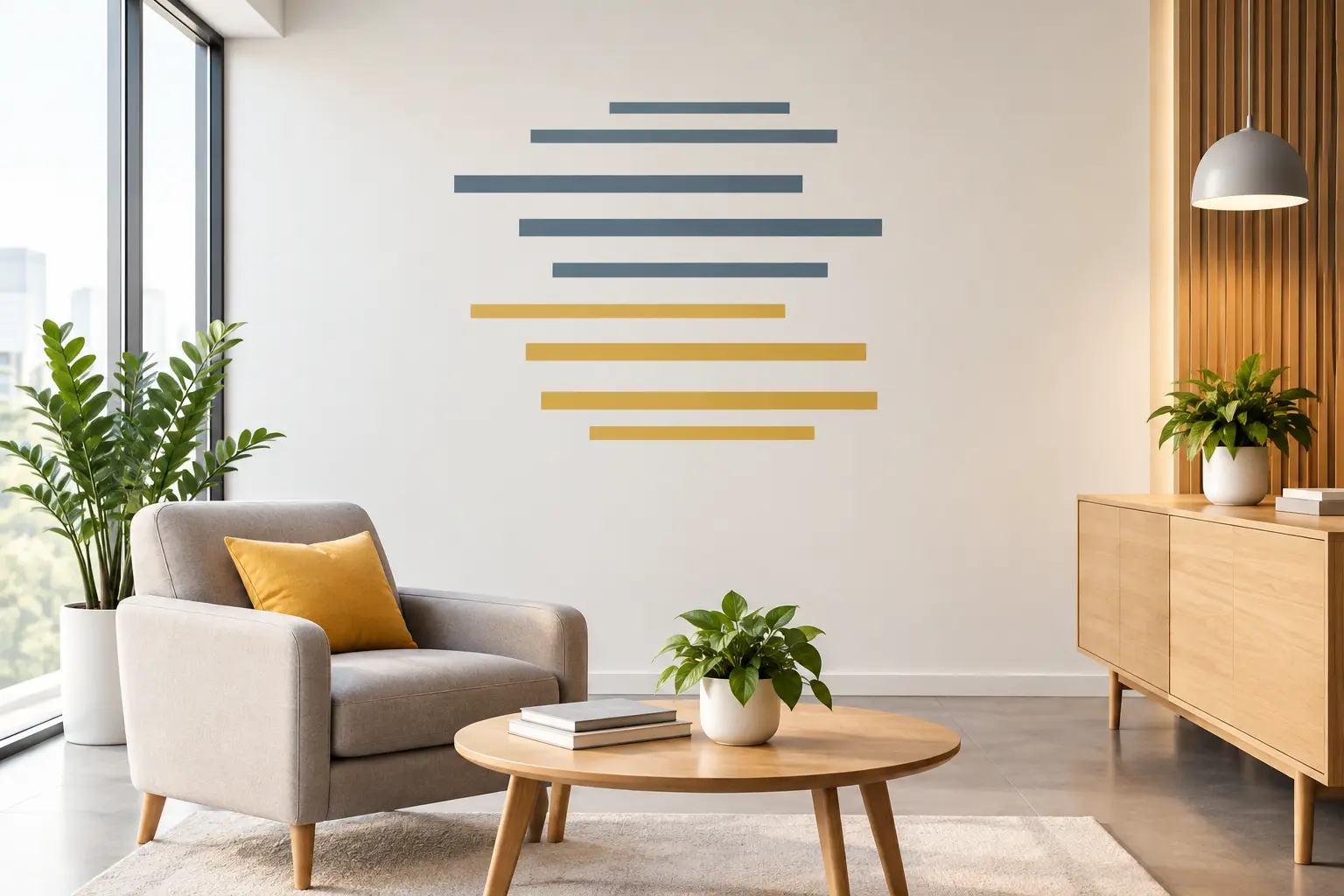
Vinyl wall decals offer a practical middle ground for many offices. They provide the appearance of painted lettering or graphics without paint, odor, or a lengthy installation process. A quality matte-finish decal can look clean and professional on a smooth, properly prepared wall, while removable material gives renters and growing businesses more flexibility when layouts or branding change.
This is especially useful for seasonal campaigns, temporary initiatives, new team spaces, or offices in leased buildings. Rather than committing to a design for years, you can update the messaging when your priorities change.
Use Words Carefully and Make Them Earn Their Space
Words are powerful office décor, but only when they are easy to read and worth reading. A long paragraph on the wall will be ignored. A short, specific statement can stay with someone throughout the day.
Mission statements work best when they are concise enough to scan. Core values are often more effective as a clean set of individual words or short phrases. Motivational quotes should sound like your organization, not like generic filler pulled from a poster rack.
For customer-facing offices, favor messages that build trust. Phrases about service, quality, care, or community can support the visitor experience. For staff areas, choose language that acknowledges the work people do: encouragement during a demanding season, reminders of shared purpose, or a simple message that adds warmth to a busy day.
Typography should match the message. Script lettering can feel personal and welcoming, but it may be harder to read from a distance. Clean sans-serif fonts are excellent for room labels, hours, rules, and business signage. If readability is essential, prioritize clear letterforms over decorative detail.
Add Function Alongside Style
Some of the most useful ways to decorate office walls are not purely decorative. They solve everyday problems while improving the appearance of the space.
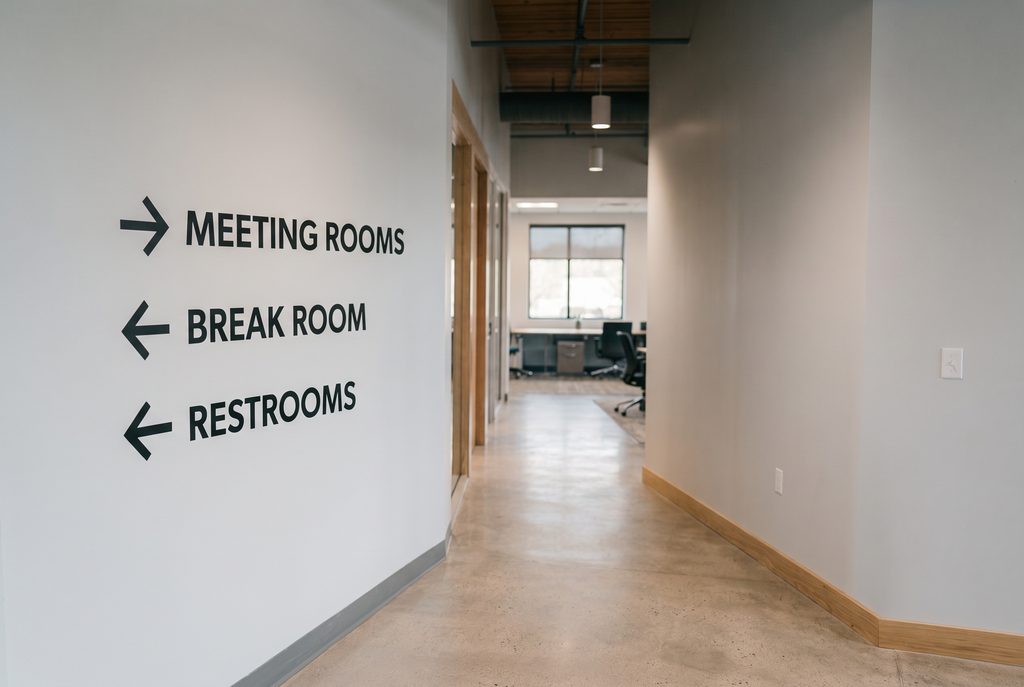
Wall lettering can identify departments, restrooms, supply rooms, meeting areas, and check-in points. A well-designed directional sign helps visitors feel comfortable without needing to ask for help. In schools, churches, clinics, and multi-room offices, clear labels can make a large building feel easier to navigate.
You can also use walls to support daily operations. A designated area for employee recognition, company announcements, seasonal goals, or a rotating message gives teams a shared visual touchpoint. Keep these spaces organized. A bulletin board overloaded with outdated flyers can undo the polished effect of the rest of the office.
For businesses with compliance or customer-service needs, functional wall messaging can be especially valuable. Hours, policies, check-in instructions, safety reminders, and service expectations can be displayed in a way that feels consistent with the brand instead of looking like an afterthought.
Plan for Installation and Future Changes
Even simple wall décor benefits from preparation. Clean the wall surface so dust, residue, and oils do not interfere with adhesion. If the wall has been freshly painted, allow adequate cure time according to the paint manufacturer’s guidance.
Take time to mark placement before applying anything. Use a level, measure from nearby trim or furniture, and ask another person to stand back and check alignment. A few extra minutes before installation can prevent a design from looking crooked for years.
If you are decorating a large office, create a plan that can grow with you. Leave room for future team members, additional locations, changing services, or updated brand language. Custom decals are particularly helpful when standard décor does not fit your wall dimensions, logo, or exact wording.
The Simple Stencil creates premium vinyl lettering and custom decal solutions for offices that need a polished message without the mess and permanence of paint. Whether you need a simple quote, branded lobby lettering, or room-specific signage, choosing removable décor gives you the freedom to make the space feel like yours now and adjust it later. Shop now!
A well-decorated office should not feel staged. It should feel like a clear expression of the people and purpose inside it. Start with one wall that deserves more from the room, choose a message that means something, and let the finished space do some of the welcoming for you.








Leave A Comment
You must be logged in to post a comment.